Showing posts with label soy milk. Show all posts

Monday, May 25, 2020

[Food] Too BUSY to grab a bite? Here's some Biji-Jjigae. (비지찌개, Biji (Soybean Pulp) Stew)

[Food]

[Food] Too BUSY to grab a bite? Here's some Biji-Jjigae. (비지찌개, Biji (Soybean Pulp) Stew)
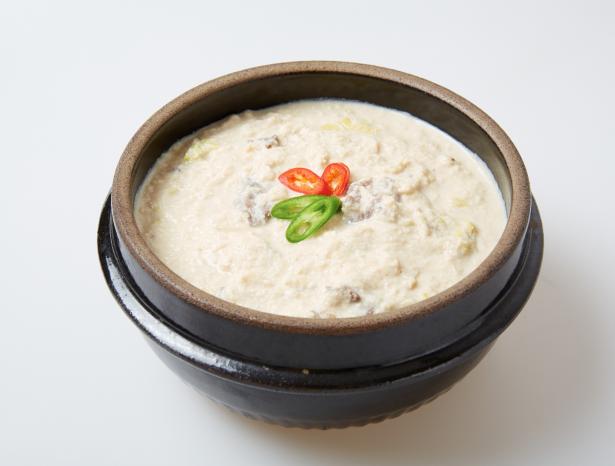

Biji-Jjigae (비지찌개, Biji (Soybean Pulp) Stew)

Biji is not commonly eaten by the younger Korean generation. They may know 'dubu' (tofu/bean curd), which is a very common, cheap and delicious food. Biji is the product of bean curd, like dofu is to soybean. For a long time it's been eaten by poorer households who are unable to afford bean curd, but many Koreans love it today for its savory and mild flavor which often tastes better than bean curd.

Koreans use biji as a side dish and stew; Biji-Jjigae (비지찌개, Biji (Soybean Pulp) Stew) is one of them. Biji-Jjigae is also one of my favorite Korean foods. A typical Biji-Jjigae recipe uses pork and fermented kimchi to add some spice and a deep savory flavor.

It may look very creamy and crunchy, but it gives you a traditional, savory, mild and soft soybean flavor :) I'm sure that the older poorer generation who only survived on biji wouldn't have imagined that their future generation would eat biji as gourmet cuisine :)

Biji (비지, Soybean Pulp)

Biji-Jjigae (비지찌개, Biji (Soybean Pulp) Stew) with Kimchi in it

It's not hard to find biji or biji-jjigae at the grocer's or restaurant in Korea as it's a typical Korean food but is not well-known to non-Koreans and the younger Korean generation. I think the reason is that there are more delicious and better foods and ingredients than biji today :)

However, biji and biji-jjigae is still a great Korean dish that I want to introduce you to because it is a hearty and warm meal for Koreans who have had to go through all kinds of hardship even until now :)


Bon Appétit!

Wednesday, June 26, 2019

[Food] Kong-guksu (콩국수, Cold Bean Soup Noodle)

[Food]

[Food] Kong-guksu (콩국수, Cold Bean Soup Noodle)


Kong-guksu (콩국수, Cold Bean Soup Noodle)

In previous articles, I introduced you to a few dishes that Koreans enjoy in the hot summer such as Naengmyun (Cold noodle), Makguksu (Cold buckwheat noodle) and Samgyetang (Korean Ginseng Chicken Soup).

Today's dish (photo above) is Kong-guksu (콩국수, Cold Bean Soup Noodle), which is a typical Korean summer dish. 'Kong' means Bean in Korean and 'Guksu' means noodle. Its recipe is simple, grind and steam softened beans then mix with some water to prepare a cold bean soup.

Peeled, steamed and softened beans
Korean traditional millstones. Must-have-gear to cook Kong-guksu in the old days before invention of electric grinder.
Personally, I prefer using traditional millstones rather than electric grinders to grind beans into soup because you can taste the whole natural bean flavor. Moreover, you can enjoy the crunchy and nutty flavor from coarsely crushed beans. So some restaurants which use a traditional recipe and millstones put up a signboard that reads, 'Traditional millstone-grounded bean soup', to promote that they have better bean soup.

Cold bean soup from black beans
However, Koreans either love or hate the taste of cold bean soup noodles; fans love it because of its cool, nutty, plain and mild flavor. Those who really dislike it do so because of its fishy, cold bean flavor (some people sense it more than others). Me? I LOVE kong-guksu.

Our Korean ancestors traditionally cooked using beans more than 2000 years ago, passing down excellent tofu and bean-paste recipes from generation to generation. However, the kong-guksu recipe only appeared at the end of 19th century; more than 110 years since now. Its history is the part people get curious about, but no one knows why.


Anyway, people praise kong-guksu with its thick bean soup as the best kong-guksu because of the amount of bean paste put into the soup while some people prefer water-like bean soup. So, a thicker soup means a better cold bean soup noodle :)


This is 'thick' bean soup; it looks like cream-based pasta.

If you are vegetarian or want to taste something unique other than sweet-spicy cold noodle, how about cold bean soup noodle? :)


Bon Appétit!