[HWPL]
[HWPL] Democratic Republic of the Congo MP's proposal for HWPL's Peace Education

Democratic Republic of the Congo MP Musao Kalombo Proposes Integrated Amendment to the Basic Law on Education for Peace Education
On June 13, 2026, Musao Kalombo Mbuyu Célestin, Member of Parliament for the Kabongo constituency in Haut-Lomami Province, Democratic Republic of the Congo, submitted an amendment to the Basic Law on Education (No. 14/004) to the National Assembly. The amendment aims to include Peace Education in the national curriculum so that students can cultivate capacities for dialogue, mutual respect, and the peaceful resolution of conflicts.
MP Kalombo, a former parliamentary rapporteur, is a politician and professor who has long devoted himself to nurturing the future talent of the Congo and strengthening its intellectual foundation. Through the Pan-African University of Governance Innovation (UPGI), he has worked to build human capital based on excellence, leadership, and civic values. In the explanatory statement for the bill, he directly explains his motivation for proposing this amendment. He states that the current curriculum, particularly civic education textbooks, does not sufficiently address key values such as dialogue, tolerance, mutual respect, responsible citizenship, and the peaceful resolution of conflicts.
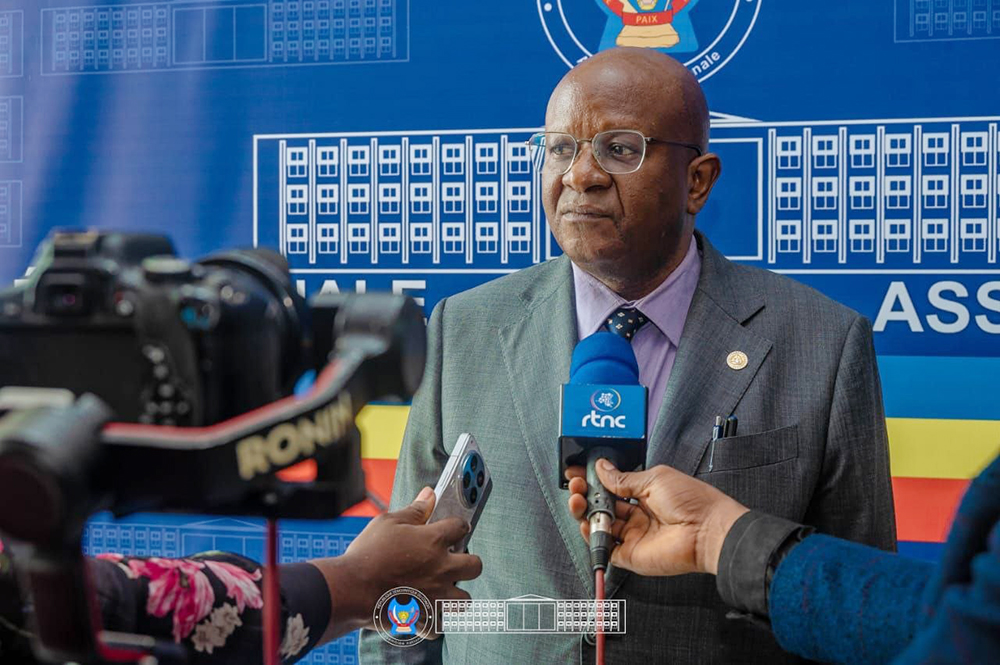
Musao Kalombo Mbuyu Célestin, Member of Parliament for the Kabongo constituency in Haut-Lomami Province, Democratic Republic of the Congo
MP Kalombo stated in the explanatory statement for the bill, “After the Basic Law on National Education was promulgated, I reviewed it and found that an important part was missing from this law. That is the content concerning the promotion of peace. Peace Education is seriously lacking in civic education materials and citizenship education.”
The amendment is based on Article 130 of the Constitution of the Democratic Republic of the Congo and Articles 151, 152, and 153 of the Rules of Procedure of the National Assembly. It specifies Peace Education as a core component of the national curriculum and calls for it to be integrated into primary and secondary education. This is so that students may be equipped from childhood with capacities for communal life, negotiation, listening, and the peaceful resolution of conflicts.
MP Kalombo emphasized, “We must enable students to learn the essential elements related to Peace Education from a young age. Later, when they come to take on public roles, they must be able to find solutions in a peaceful way, resolve various problems that arise in the performance of their duties, practice tolerance, and lead negotiations and dialogue for national construction.”
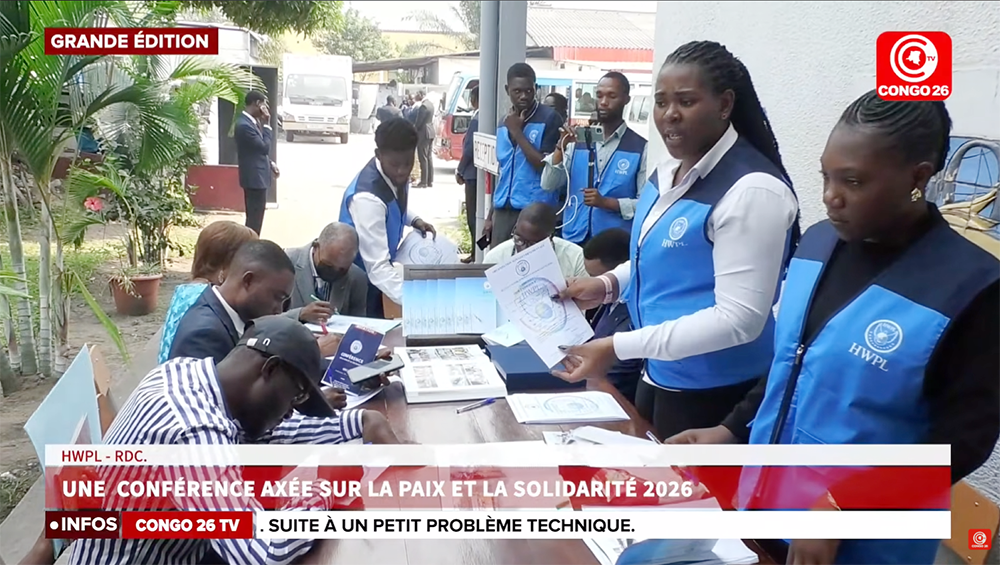
This legislation does not remain merely the activity of an individual lawmaker. As an extension of educational activities through UPGI, HWPL, as an international partner, has continued discussions with MP Kalombo and education officials on the need to institutionalize Peace Education and has supported related activities.
They cooperated under the common goal of establishing education as a key means of conflict prevention and sustainable peacebuilding. Regarding the purpose of submitting the amendment to the Basic Law on Education, MP Kalombo added, “I made this proposal so that fellow members of parliament can discuss it and examine how content related to Peace Education can be introduced into the Basic Law on National Education.”
This amendment is expected to be presented to a plenary session of the National Assembly soon, where it will undergo deliberation and voting. If the amendment is passed by the National Assembly, Peace Education will be institutionalized as a major element of the national curriculum and is expected to contribute to cultivating students’ civic consciousness and conflict-resolution capacities.
HWPL Official Homepage


No comments:
Post a Comment