[HWPL]
[HWPL] HWPL's Peace Education in the US

[Atlanta Feature] From ‘Teen Takeover’ to ‘Peace Takeover’: How Atlanta Chose Dialogue Over Gunfire
Atlanta, worn down by unsupervised youth takeovers, found its solution together as a community — peace education.
Atlanta, Georgia, has recently been grappling with a new challenge among young people known as “Teen Takeovers” — large, unsupervised gatherings of teenagers that have repeatedly led to gun violence and safety incidents, big and small. For a long time, the local community searched for a fundamental solution. In the end, the answer Atlanta’s community leaders arrived at was none other than peace education.
Choosing Dialogue Over Gunfire: The Beginning of P.L.A.Y
At the commemorative event for the World Peace Summit on September 18, 2023, community leaders in Atlanta agreed that a culture of peace was needed to address the recurring youth issues, including gun violence. After extensive discussion, the leaders formed their own task force (TF) and together developed the Peace Leadership Academy for Youth (hereafter “P.L.A.Y”), a youth peace leadership academy built on HWPL’s peace education.
The program has continued since its launch in 2024 into its third year in 2026, with Shiloh High School maintaining consistent collaboration through an after-school club format. In particular, by 2026, the program advanced to a stage where students began planning and running it themselves. The student leading this club, the P.L.A.Y club president, said in an interview, “World peace is the greatest legacy we can leave to future generations, and it begins right here, with Shiloh High School’s P.L.A.Y club.”
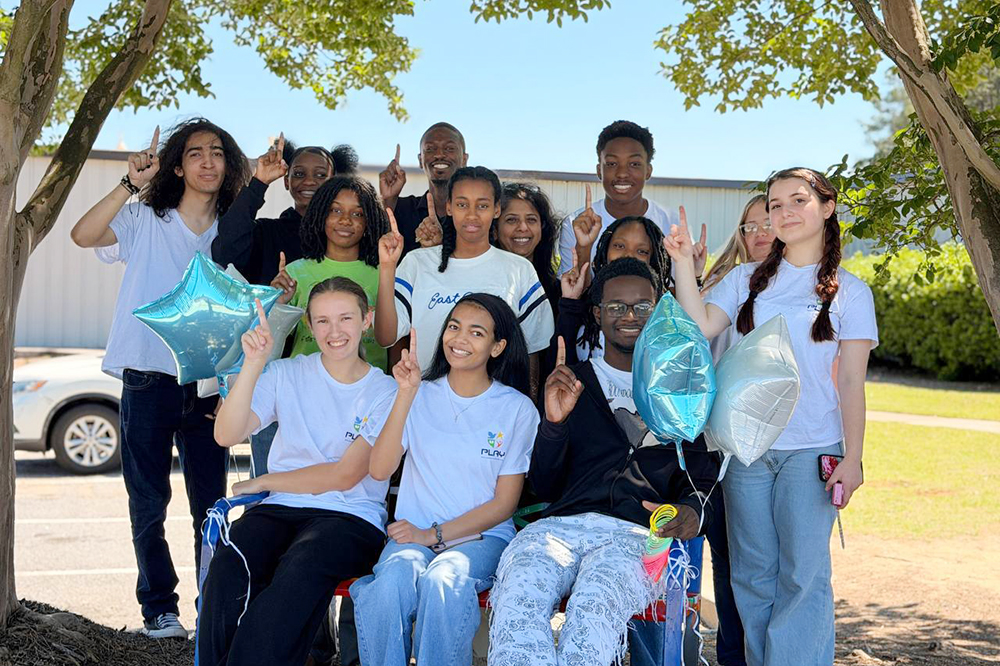
Shiloh High School after-school club
Peace Leadership Academy for Youth, P.L.A.Y
SubscribingTo Global Affairs JournalsP.L.A.Y is a youth peace education program designed for the Atlanta, Georgia region. Built on HWPL’s peace education, it helps young people learn the values and spirit of peace and grow into peace citizens. It also offers practical solutions to address the issue of school violence in the state of Georgia.
The June Atlanta Youth Peace Summit: Change Seen Across 7 Local Hot Spots
What began as a single discussion in 2023 spread across Atlanta within three years. At the Atlanta Youth Peace Summit held this past June, peace education through the P.L.A.Y program was carried out simultaneously for three weeks across a total of 7 regional hot spots. Here, a “hot spot” refers to a local partner organization where peace education was intensively run during this period.
At one hot spot, youth who had presented at the signing of a county resolution on the Declaration of Peace and Cessation of War (DPCW) went on to conduct peace education themselves, and the Sparta Boys & Girls Club, Presencia, Mothers Against Gang Violence (MAGV), and Palmetto Georgia Main Campus hot spots featured in this article were each part of that same wave of expansion.
Though the period was short, the students and teachers who learned and experienced the value of peace education at each hot spot came away with concrete ways to practice peace in daily life — and are putting them into practice, one by one. These changes became tangible proof of the community’s need for peace education.
The interviews featured in this article were conducted directly at the hot spots where peace education was most actively implemented, among the 7 hot spots of the Atlanta Youth Peace Summit held this past June. Following the stories of the three hot spots introduced earlier, this piece also includes candid reflections from students met at Palmetto Georgia Main Campus.
Voices from the Field ① Telly X — “What Young People Need Is Not Punishment, but Understanding”
Field leaders who have worked alongside P.L.A.Y to reach local youth agree that peace education is not a one-time campaign, but an ongoing program that actually changes behavior. One of the most notable is Telly X, who led the P.L.A.Y program at the Sparta Boys & Girls Club hot spot. He believes that an approach grounded in understanding — rather than punishment — is what can truly change young people, and is convinced that the peace education he has learned can change the culture of Teen Takeovers itself.
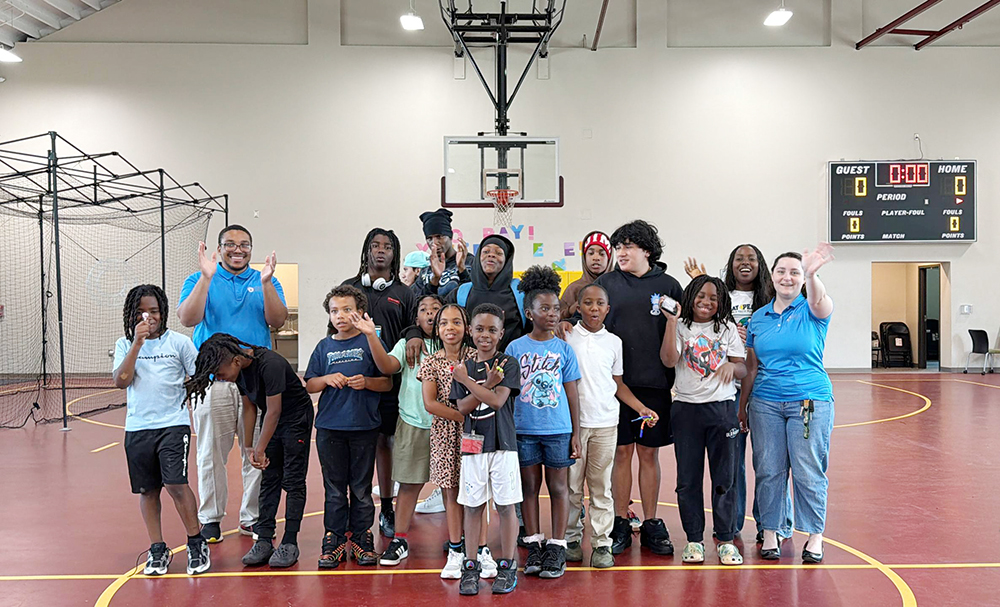
Sparta Boys & Girls Club
Telly X, Director, Organizational Reconciliation & Community Partnerships
I believe peace education can completely change the culture of those teen takeover gatherings over time. Most young people are looking for connection, belonging, and a sense of purpose.
SupportingNon-Profit Advocacy CampaignsWhen we teach conflict resolution, emotional intelligence, accountability, and leadership skills, young people begin to make different choices in heated situations. Instead of reacting emotionally or following negative influences, they learn how to de-escalate conflict and become positive influencers among their peers. The goal is to create a generation of young leaders who can turn potential chaos into opportunities for unity, respect, and community.
The cultural shift he describes begins with each young person’s individual choices, and extends outward to the relationships around them. In particular, he says peace education is becoming a bridge that breaks down long-standing distrust between youth and police.
I think that peace education creates opportunities for understanding on both sides. Many young people have developed distrust based on their experiences, while many officers may not fully understand the challenges these youth face daily. Peace education helps create safe spaces for dialogue, relationship-building, and mutual respect.
When young people and law enforcement learn to see each other as human beings rather than threats, barriers begin to come down. Healing starts with communication, understanding, and accountability, and peace education provides a foundation for all three.
He said that while it will take a little more time to see the results firsthand, he is proud of all the hard work and dedication the young people have put into this peace education. Drawing on the change he himself has experienced in his own life, he added that he is confident this work will make a lasting impact on his community.
Voices from the Field ② Katie Garduno — “Violence Is Not Something People Are Born With”
Katie Garduno, who led the P.L.A.Y program at Presencia, a hot spot serving the Latino youth community, says the program changed her perspective on forgiveness and conflict — and, above all, deepened her understanding that violence is not something people are born with.
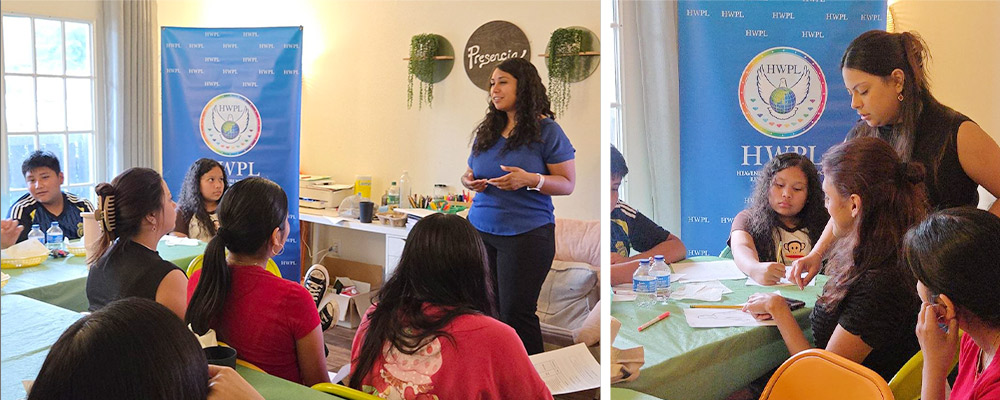
Presencia
Katie Garduno, Program Director, Presencia
The moment that really clicked for me was when we talked about forgiveness. I realized that forgiveness isn’t about saying what someone did was okay or excusing their actions — which I think I’d kind of heard before. But reiterating that belief, just the fact that it’s about finding peace for yourself and choosing not to carry that hurt with you forever — that perspective made forgiveness feel like something you do for yourself instead of for other people.
SubscribingTo Global Affairs JournalsBefore the P.L.A.Y program, I’d always thought conflict was mainly resolved by a conversation between both parties, kind of brainstorming a resolution together. I still believe communication is important, but now I see it’s more about the larger systems that contribute to conflict overall. So instead of just addressing individual disagreements, there has to be a way to start taking apart those systems, so we’re addressing the root causes.
She also shared a deeper understanding of the roots of youth violence.
Violence isn’t something people are inherently born with. It’s that people grow up with limited resources or limited support, and very few examples of alternative ways to respond to conflict. So, they look at what’s around them, and they end up choosing that because it’s what they’re being shown. In many ways, they’re navigating systems that have already placed obstacles in front of them to begin with.
The program didn’t necessarily change how I feel about these young people — I’ve worked with young people myself, so I already believed they deserved empathy and understanding — but it definitely strengthened that belief. These aren’t children who are inherently violent. They just need help, and they need some other form of support that they’re not getting.
On Atlanta’s future, she said:
I think if all of Atlanta’s peers — and even younger generations — received peace education, Atlanta would become a more peaceful and connected city. Peace education gives young people the tools to communicate and understand one another. Above all, there’s something powerful about young people feeling that someone is investing time and resources in them for their own sake. Because they realize, “Oh, I matter.”
I would tell young people in other cities that peace education isn’t just about creating peace in the community, but also about finding peace within yourself. Personal peace often becomes the foundation for community peace.
Voices from the Field ③ Tekesia Shields — “It’s Not Just the Youth Who Need to Be Heard — Families Do Too”
Tekesia Shields, Director of the Mother’s Against Gang Violence (MAGV) hot spot, traced the root of the problem to a communication breakdown between youth and their guardians.
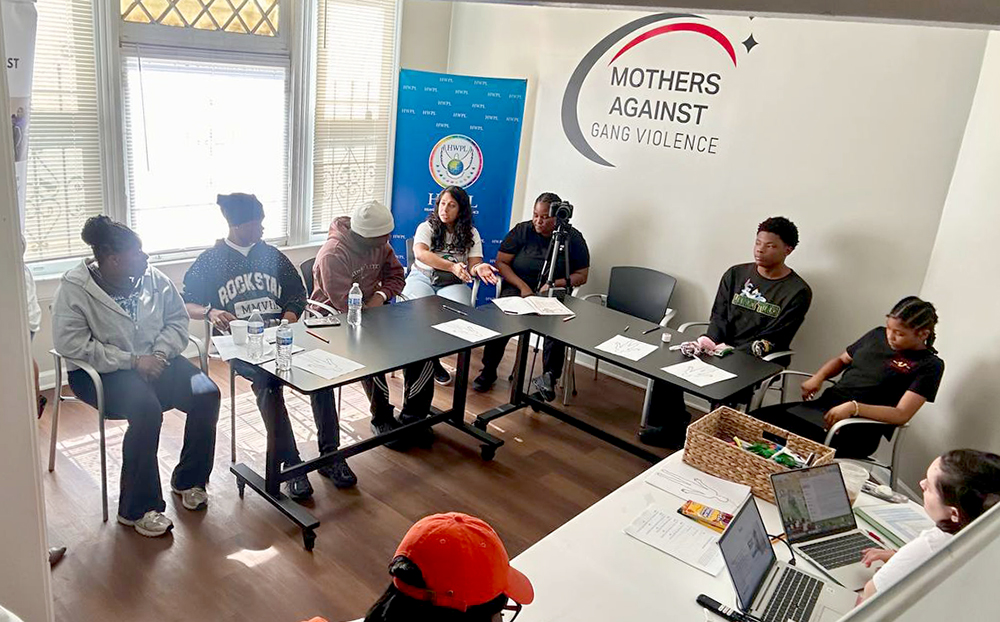
Mothers Against Gang Violence
Tekesia Shields, Director, Mothers Against Gang Violence
I felt the community — including guardians — weren’t listening to our youth and young adults. That’s why the teen takeovers were happening. So, our program conducted parental accountability education, and through that training, they came to support clearer communication.
Alongside this effort directed at guardians, she also urged young people themselves to look inward. She said she wanted to leave the following message with youth around the world:
If we could speak to the youth all over the world, I would say self-influence is important. Think about what influences you, and what influences your decision to remain positive.
Voices from the Field ④ Students — “It Takes More Effort to Be Mean Than to Shake a Hand”
The changes among students who took part at the Palmetto Georgia Main Campus hot spot are even more concrete. From a student who came to realize the meaninglessness of violence, to one who redefined what peace means to her — their voices show how peace education plays out in everyday life.
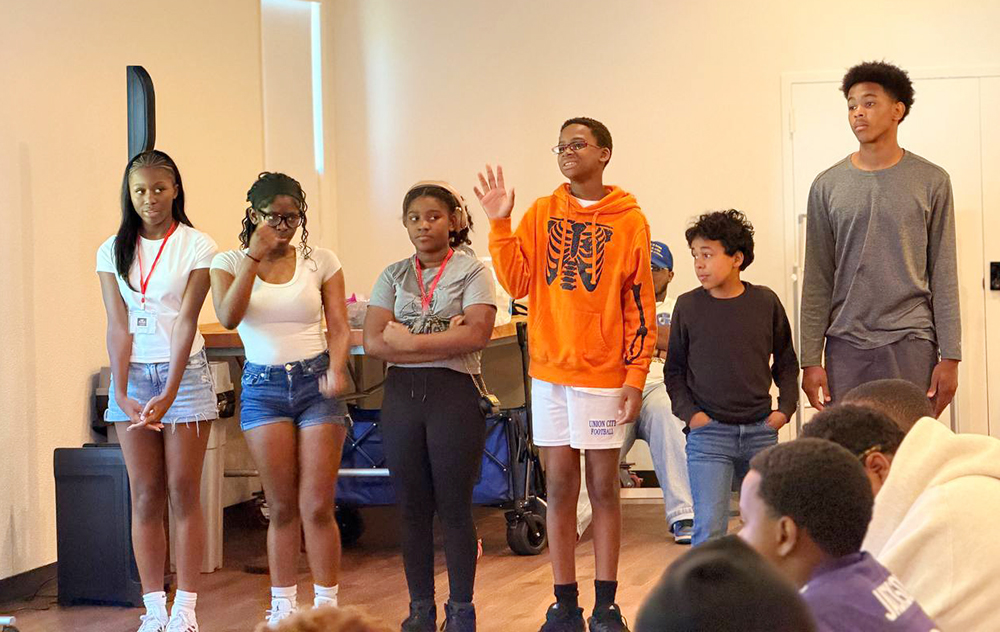
Damon Pearson, Student, College Park Career Academy, Georgia
I think the lessons I learned are invaluable information that I can share with my community, because we as a people need unity. It was also really fun to get the chance to actually enjoy playing soccer, without being excluded because of how I looked.
This place taught me to always think of others first. Getting to build a movement that ran off the streets made me realize that there’s no point in violence — rather, it takes more effort to be mean than to just give a simple handshake with someone.
AccessingDomestic Abuse Counseling
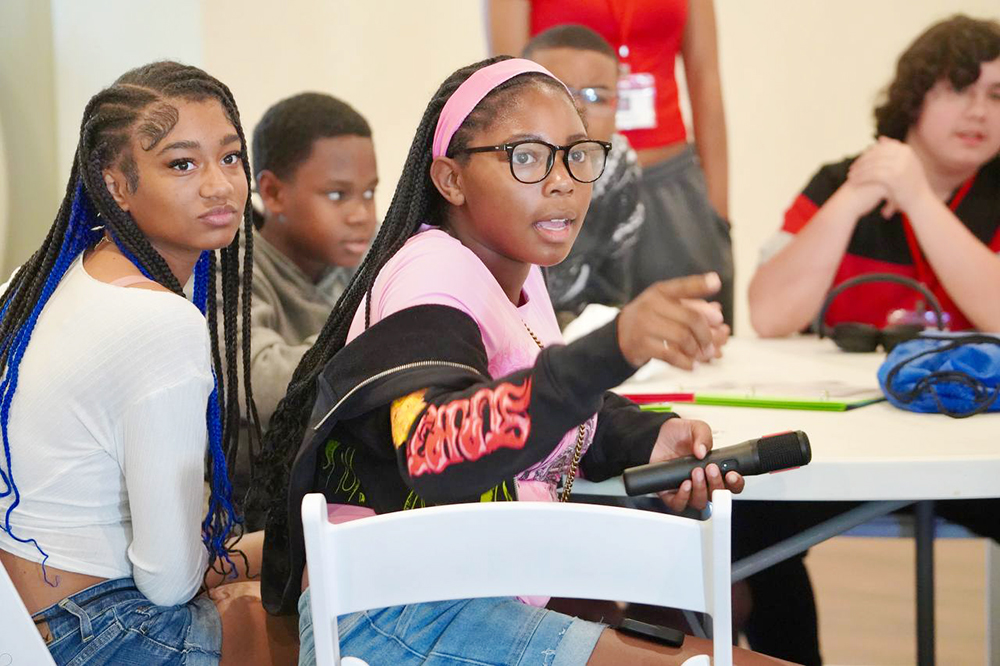
Naomi Ward, Student
Before this program, I thought peace just meant that nobody was fighting. Now I believe peace also means treating people with kindness, listening to others, and helping solve problems in a respectful way.
SubscribingTo Global Affairs JournalsThe program helped me realize that even though I’m young, my words and actions can make a difference. I learned that I can be a leader, stand up for what is right, and encourage others to make positive choices.
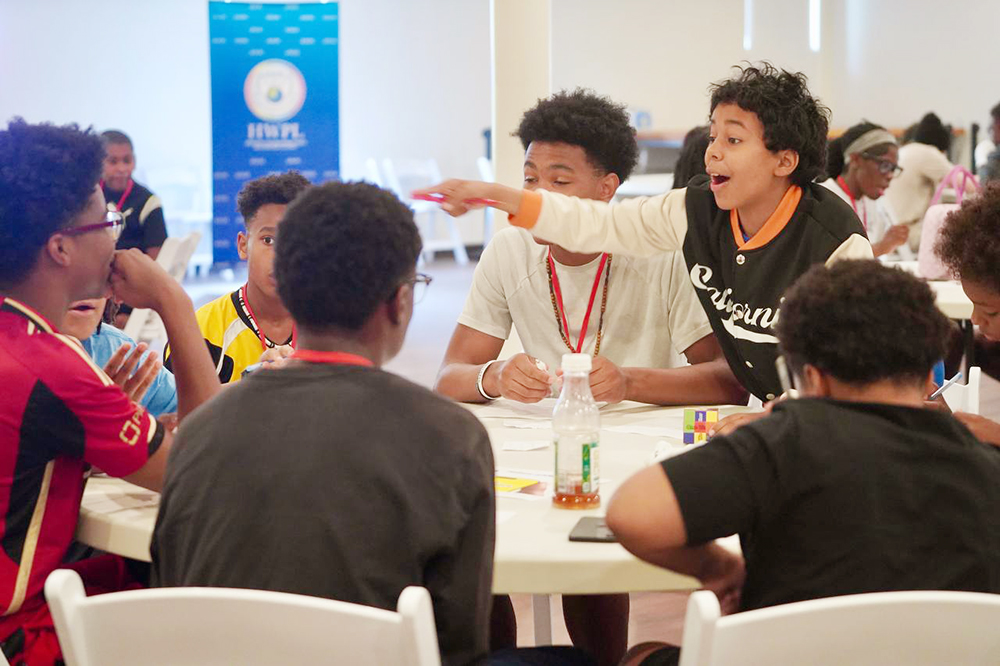
Jakayla Barnes, Student, Global Impact High School, Fairburn, Georgia
Before attending the peace education program, I felt like the Teen Takeovers looked fun and interesting to go to, but a lot can go down with unsupervised teenagers.
SupportingNon-Profit Advocacy CampaignsThe most impactful moment was when we were listening to the lesson about different ways to have peace and to share it with others, such as friends and family. This program helped me realize that what happens around me influences me — it can be a negative or a positive thing, but in the end, whether I choose negativity or peace is up to me.
What Atlanta Shows Us
What began in 2023 as a response to recurring gun violence has, in three years, grown into a local movement — one where students, parents, police, and youth are coming to understand one another. In June 2026, the peace education carried out across 7 hot spots through the P.L.A.Y program showed that this was not simply participation in a one-time campaign, but a real, tangible shift within the community. It is a seed of hope — one that lets us look forward to what Atlanta might look like five, even ten years from now, as peace takes root in everyday life.
HWPL Official Homepage
No comments:
Post a Comment